

A Beginner’s Guide to Reading a Coffee Bag Like a Story
A good coffee bag tells you more than a name.
It can reveal where the beans grew, how the coffee fruit was handled, what the roast is designed to feel like, and which flavors may meet you in the cup. When you’re buying coffee beans online, learning to read those details can make choosing your next bag feel less like guessing and more like listening to a story.
At SalemBrews, we believe coffee should bring a little more peace and steadiness into your day. That starts with caring about the journey from soil to cup.
Here’s how to read the label.
Start With the Roast Date ☕
The roast date is the coffee’s timeline.
It tells you when the green coffee beans were transformed by heat into the aromatic, flavorful beans ready for brewing. For specialty coffee, a clear roast date is one of the most helpful details on a bag or product page because coffee changes over time after roasting.
When you shop online, look for a specific date rather than only a “best by” date. A best-by date may tell you about shelf life, but a roast date tells you more about freshness and when the coffee was prepared.
At SalemBrews, every coffee order is roasted the day it ships. That means your beans begin their journey to you fresh from a small-batch roast, ready to settle and develop as they make their way to your kitchen.
Freshness is important, but it is not a race. Coffee needs time to release some of the carbon dioxide created during roasting. Many coffees taste especially balanced after several days of rest, though the ideal window depends on the roast, brew method, and your own preferences.
When buying online, ask:
- Is there a clear roast date or roasting practice?
- Will the coffee arrive soon after roasting?
- Is the coffee available as whole bean so you can grind it fresh?
The date gives you context. Your palate gives you the final answer.
Origin Is the Setting 🌎
Origin tells you where the coffee grew.
Depending on the bag, this may include the country, region, growing zone, farm, cooperative, or producer group. A country name gives you a broad sense of place. More detail helps you understand the specific landscape behind the beans.
Origin matters because coffee plants respond to their surroundings. Climate, rainfall, sunlight, shade, temperature, and soil all shape how the coffee cherry develops. The result can be a bright and floral cup, a rich and chocolatey brew, or something layered in between.
For example, SalemBrews’ Tactical Blend features coffee from Marcala, La Paz, Honduras, grown by members of Cafe Organics Marcala. The profile leans toward caramel, spice, and brown sugar: a comforting direction with a steady backbone.
The Ethiopia Natural comes from the Sidama Zone and is grown by smallholder farmers. Its tasting profile brings together milk chocolate, fruit, and caramel, offering a different expression of place.
And Bali-Stic Roast comes from Kintamani, Bali, Indonesia. Its dark chocolate, molasses, and brown sugar notes reflect a bold, grounded cup with lasting sweetness.
Single-origin coffee gives you a focused sense of place. Blends combine coffees from different origins to create balance, consistency, or a particular experience. Neither is better for every moment. The right choice depends on whether you want to explore one landscape or settle into a carefully composed cup.
Elevation Describes the Climate
Elevation is often listed in meters above sea level, or masl.
It may look like a technical number, but elevation is really a clue about growing conditions. Higher elevations tend to have cooler temperatures, and cooler conditions can slow the development of the coffee cherry. That slower pace may allow more sugars and flavor compounds to develop.
In general, higher-grown coffees can show more brightness, acidity, and complexity. Lower-elevation coffees may lean toward a rounder body and more familiar notes such as chocolate, nuts, or caramel.
These are tendencies, not guarantees. Elevation works together with variety, soil, climate, processing, and roasting. It should be one part of the story rather than the entire plot.
SalemBrews’ examples show how different elevations can point toward different experiences:
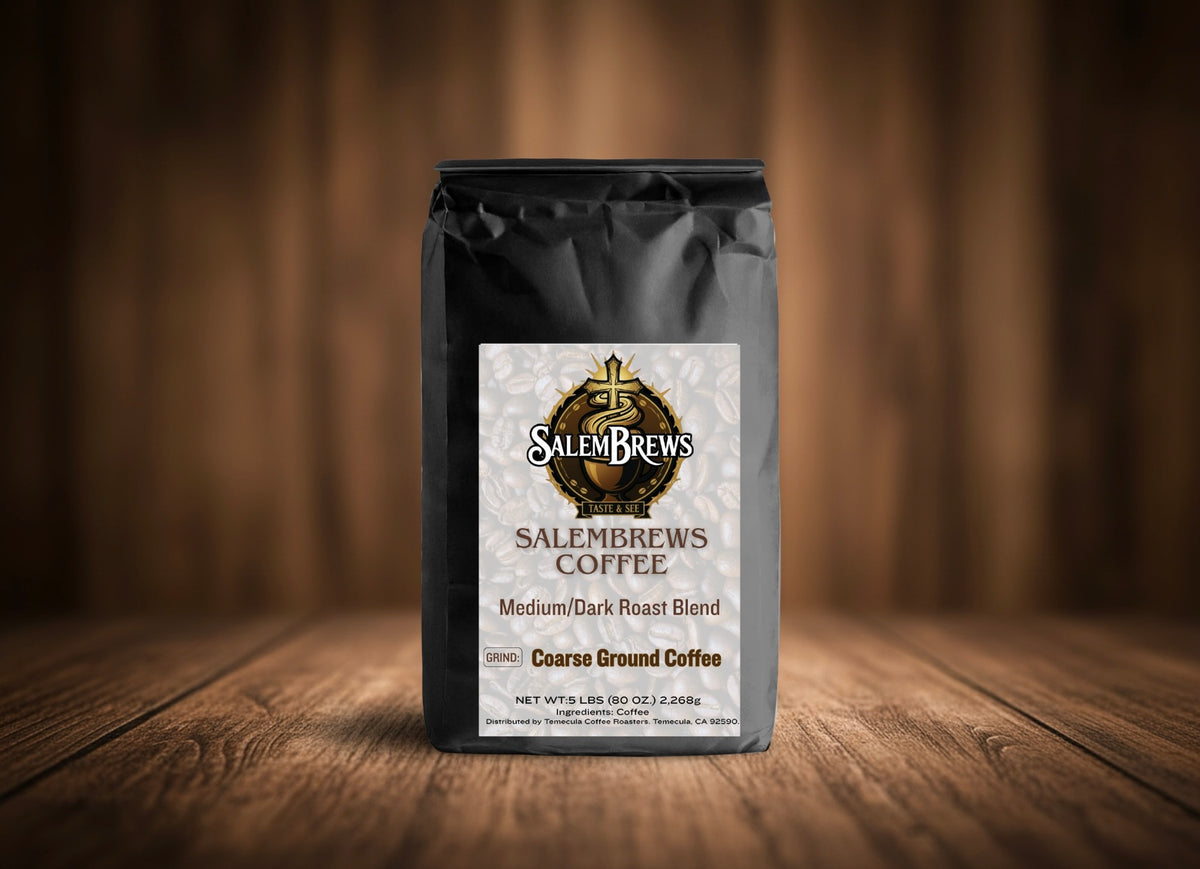
- Tactical Blend: 1,300–1,700 meters, with caramel, spice, and brown sugar notes.
- Ethiopia Natural: 1,700–1,900 meters, with fruit, milk chocolate, and caramel.
- Bali-Stic Roast: 1,200–1,600 meters, with dark chocolate, molasses, and brown sugar.
If you enjoy bright, expressive coffee, higher elevations may be worth exploring. If you prefer a smooth, comforting cup, look for tasting notes that promise chocolate, caramel, or brown sugar: and let elevation serve as additional context.
Soil Is Part of the Flavor Story
Coffee begins beneath your feet.
Soil supplies the nutrients and structure that help coffee plants grow, but it also belongs to a larger environment that includes rainfall, drainage, temperature, and altitude. When you see a soil type listed on a coffee bag, you are receiving a small window into the landscape where the beans developed.
Tactical Blend lists clay minerals in its soil profile. Ethiopia Natural lists Nitisols, a type of tropical soil associated with mineral-rich growing regions. Bali-Stic Roast is shaped by volcanic loam, connecting its flavor story to the volcanic landscape of Kintamani.
Soil does not work like a flavor additive. A volcanic soil label does not mean the coffee will taste like ash, and clay minerals do not create a single predictable flavor. Instead, soil is part of the foundation that supports the plant and influences how the origin expresses itself.
At SalemBrews, we believe the ground deserves attention. The roast matters, but it cannot be separated from the land, growers, and careful agricultural work that came first.
Process Explains What Happened After Harvest
The process describes how the coffee cherry was handled after it was picked.
This step can significantly influence sweetness, body, clarity, and fruit character.
Washed Coffee
Washed coffee is usually separated from the fruit before drying. It often produces a clean, clear cup where acidity and origin character are easy to notice.
Tactical Blend is fully washed and sun dried. That process supports its smooth structure and balanced notes of caramel, spice, and brown sugar.
Natural Coffee
Natural coffee dries with some or all of the fruit still surrounding the seed. This can create a sweeter, fruitier, fuller-bodied profile.
Ethiopia Natural is full natural, sorted by hand, and dried on raised beds. That process complements its fruit and caramel character while preserving a comforting milk chocolate foundation.
Wet-Hulled Coffee
Wet-hulling is associated with coffee processing in Indonesia. The parchment is removed while the beans still have a higher moisture content, then the beans are dried afterward.
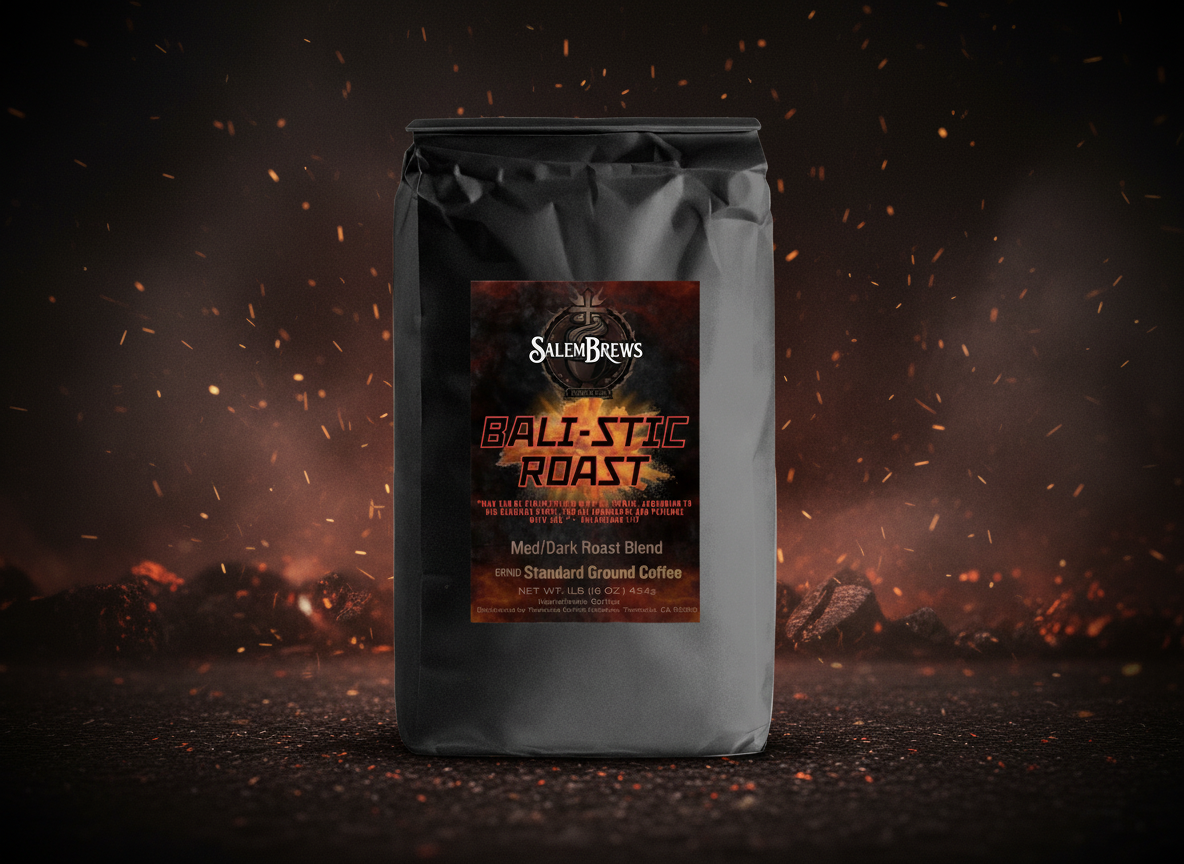
Bali-Stic Roast is hand picked, wet-hulled, and dried on raised beds. Its process, volcanic loam, and Kintamani origin come together in a cup with dark chocolate depth, molasses sweetness, and a steady finish.
When shopping online, think of process as the coffee’s preparation chapter:
- Washed: clean, bright, defined
- Natural: fruity, sweet, full-bodied
- Wet-hulled: often earthy, rich, and substantial
Your favorite process may depend on whether you want clarity, sweetness, or depth.
Roast Level Sets the Mood
Roast level describes how far the beans were developed during roasting.
It can help you anticipate the balance between origin character, acidity, sweetness, body, and roast-driven flavors.
- Light roasts often highlight floral, citrus, fruit, and delicate origin character.
- Medium roasts tend to balance sweetness, acidity, and body.
- Medium-dark roasts offer more weight, richness, and familiar flavors such as caramel, chocolate, and spice.
- Dark roasts generally emphasize bold body and deeper roast notes.
Roast level is not a quality score. It is a style choice.
A light roast may be right for a bright pour-over. A medium-dark roast may be better for a dependable morning cup, espresso, or coffee with milk. SalemBrews’ Tactical Blend is a medium-dark roast, Ethiopia Natural is med-light, and Bali-Stic Roast is med-dark, giving you three distinct places to begin exploring.
Choose the mood you want before you choose the label:
- Need a bright reset? Try lighter and fruit-forward.
- Want a steady everyday cup? Look for medium or balanced profiles.
- Craving comfort and depth? Explore medium-dark or dark roasts.

Tasting Notes Are Invitations
Tasting notes are not ingredients.
When a bag says “caramel,” “molasses,” “fruit,” or “dark chocolate,” it does not necessarily mean those flavors were added. These words describe aromas and sensations a roaster noticed while evaluating the coffee.
Think of tasting notes as a map, not a promise. They help you imagine the direction of the cup, but your water, grinder, brewing method, and palate all influence what you experience.
Look for specific notes instead of vague language:
- Fruity and floral: berry, citrus, jasmine, stone fruit
- Sweet and rounded: caramel, brown sugar, honey, molasses
- Rich and grounding: cocoa, dark chocolate, toasted nuts, spice
You may taste something different from the roaster. That is part of the pleasure. The same coffee can reveal a soft sweetness one morning and a brighter, more fragrant quality the next.
Your Coffee Bag Checklist
Before you place an online order, take one quiet minute to scan the product page.
- Roast date: When was it roasted, and how soon will it ship?
- Origin: What country, region, or growing community is named?
- Elevation: What does the altitude suggest about the growing climate?
- Soil: Is there information about the land beneath the plants?
- Process: Was the coffee washed, natural, wet-hulled, or something else?
- Roast level: Does it match your preferred brew method and flavor style?
- Tasting notes: Do the descriptors sound like the cup you want today?
Then follow the story to its next chapter by exploring the SalemBrews coffee collection or browsing single-origin coffees.
The world moves quickly. Your coffee does not have to.
Read the label. Notice the place. Brew with care. And let a well-chosen cup bring a little more peace to the day.
