

Buying Single-Origin Coffee Beans Online Without Guesswork
Find more peace in the choosing. ☕
Buying single-origin coffee beans online should feel inviting, not confusing. Yet product pages can be crowded with terms like elevation, washed, natural, tasting notes, and roast date. Each detail can tell you something useful. None of them tells the whole story.
At SalemBrews, we believe coffee should bring steadiness to your day. That includes the moment you choose what to brew. With a few simple guidelines, you can read a coffee listing with confidence, understand what the details mean, and find a bag that fits your preferred flavor and brewing style.
Start with the basics. Then let curiosity lead the way.
What “single origin” really means
Single-origin coffee comes from one defined geographic source rather than a combination of origins. Depending on the roaster, that source may be a country, region, cooperative, estate, or farm.
That distinction matters because coffee’s character is shaped by where it grows. Climate, soil, rainfall, elevation, coffee variety, and local farming practices all influence the finished cup.
Still, “single origin” is not a guarantee of a particular flavor. Two coffees from the same country can taste completely different because of differences in region, harvest, processing, roast, and brewing.
Think of the term as an invitation to look more closely: not as a promise that every coffee from that place will taste the same.
Read the origin and region first
The origin gives you the broad geography. The region gives you a more focused sense of place.
For example, SalemBrews’ single-origin coffee collection includes coffees from:
- Sidama Zone, Ethiopia
- Kintamani, Bali, Indonesia
Those names are more helpful than a vague label such as “premium beans” because they tell you where the coffee began. Regional information can offer useful expectations, especially when combined with the process and roast level.
Ethiopian coffees are often associated with floral, fruity, citrus, or tea-like qualities. Bali coffees may offer deeper sweetness, spice, chocolate, or earthy complexity. These are broad patterns, not rules.
A coffee’s origin can tell you:
- The geographic identity of the beans
- Something about the growing environment
- What flavor families may be possible
- Whether you are exploring a distinct place rather than a general house profile
Origin cannot tell you:
- Exactly what your cup will taste like
- Whether you will personally enjoy it
- How fresh the coffee is
- Whether it will work best with your brewer
- Whether the coffee is automatically higher quality
Your best choice comes from reading origin as one part of the picture.
Use elevation as a clue
Elevation is usually listed in meters above sea level. It describes how high the coffee was grown and can help you understand the conditions surrounding the coffee plant.
Higher elevations tend to have cooler temperatures. Coffee cherries may mature more slowly, giving them more time to develop sugars and complex flavors. These coffees can be bright, structured, floral, or fruit-forward.
Lower elevations often produce a rounder, softer profile with flavors such as cocoa, nuts, caramel, or brown sugar. But elevation is not a quality score. A higher number does not automatically mean a better coffee.
SalemBrews’ Ethiopia Natural lists an elevation of 1,700–1,900 meters. Its product details also describe a medium-light roast with milk chocolate, fruity, and caramel notes.
That information suggests a coffee with brightness and complexity balanced by sweetness. It does not mean every high-elevation Ethiopian coffee will taste fruity, or that every lower-elevation coffee will taste heavy.
Use elevation to ask better questions:
- Do I usually enjoy bright and expressive coffees?
- Am I looking for a gentle, chocolate-forward cup?
- Will this coffee be brewed as a clean pour-over or a fuller French press?
- Does the listed profile sound comforting, lively, or somewhere in between?
Understand what the process changes
The processing method describes what happens to the coffee cherry after harvest. It can significantly influence sweetness, fruit character, body, and clarity.
Washed coffee
In a washed process, the fruit is removed from the coffee seed before drying. Washed coffees often taste clean and clear, with crisp acidity and a more defined sense of origin.
Choose washed coffee when you enjoy:
- Bright, transparent flavors
- Citrus or floral notes
- A clean finish
- Less fruit fermentation character
Natural coffee
In a natural process, the coffee bean dries inside the whole fruit. This often creates more body, sweetness, and fruit intensity. Natural coffees may taste jammy, berry-like, winey, or richly textured.
SalemBrews’ Ethiopia Natural is described as full natural, sorted by hand, and dried on raised beds. That process aligns with its fruity and caramel profile.
Choose natural coffee when you enjoy:
- Berry or tropical fruit notes
- A sweeter, fuller cup
- Jammy texture
- More adventurous flavor
Honey and experimental processes
Honey or pulped-natural coffees retain some fruit during drying. They often sit between washed and natural coffees, offering sweetness and body with a balanced level of clarity.
Anaerobic and other experimental processes can create intense tropical, fermented, spicy, or unusual flavors. They can be exciting, but they are not always the safest choice if you prefer familiar coffee flavors.
The process can tell you how the coffee may express itself. It cannot tell you whether the roaster executed that process well, or whether the finished roast will suit your palate.
Treat roast level as a major filter
Roast level affects how much of the coffee’s origin character remains in the cup.
- Light roast: Often brighter, more aromatic, and more expressive of fruit, floral, and citrus qualities.
- Medium roast: Usually balances sweetness, body, and origin character.
- Dark roast: Often emphasizes roast, smoke, bittersweet chocolate, and heavier body.
If you are buying single-origin coffee because you want to explore where it comes from, light-to-medium roasts are often a helpful place to begin. If you prefer bold coffee with a deeper, steadier profile, medium-dark or dark roasts may feel more familiar.
Roast level is not a measure of freshness or craftsmanship. It is a style choice.
A carefully roasted dark coffee can be excellent. A light roast can be less enjoyable if it is underdeveloped or brewed poorly. Choose the roast that brings you closer to the cup you want: not the one that sounds most impressive.
Check the roast date
A roast date tells you when the beans were roasted. It is more useful than a distant best-by date because coffee gradually changes after roasting.
Freshness matters, but newer is not always better. Coffee needs time to release carbon dioxide after roasting, and many beans taste more balanced after a short rest. The ideal window varies by coffee, roast level, packaging, and brewing method.
When buying online, look for:
- A specific roast date
- A clear roasting or shipping timeline
- Whole-bean options
- Packaging designed to protect freshness
- A small-batch roaster that explains how orders are fulfilled
SalemBrews shares a straightforward freshness promise on its shop: every coffee order is roasted the day it ships. You can explore current offerings through the SalemBrews coffee collection.
A roast date can tell you about freshness. It cannot guarantee perfect flavor if the coffee is stored poorly, ground too early, or brewed with an unsuitable recipe.
Read tasting notes without taking them literally
Tasting notes are descriptions of aromas and flavors a roaster notices during evaluation. They are not ingredients added to the beans.
When a coffee lists milk chocolate, caramel, and fruit, that does not mean it contains chocolate or fruit flavoring. It means the coffee may remind you of those familiar tastes.
Use tasting notes as a direction:
- Chocolate, cocoa, and caramel: Look for sweetness, comfort, and a rounded profile.
- Citrus, berry, and stone fruit: Expect more brightness or fruit character.
- Floral and tea-like: Consider a lighter, more aromatic cup.
- Molasses, spice, and brown sugar: Look for depth, warmth, and a steady finish.
- Nutty and toffee: Expect a familiar, approachable sweetness.
Tasting notes are subjective. One person’s “bright” may taste pleasantly lively to another person and too sharp to someone else. They help you make a more informed choice, but they are not a guarantee.

Choose by the cup you want today
Once you understand the details, simplify your decision.
For bright and expressive coffee
Look for:
- Ethiopia or other high-elevation origins
- Light or medium-light roast
- Washed or natural process
- Notes of citrus, berry, floral, or stone fruit
For balanced everyday sweetness
Look for:
- Central or South American origins
- Medium roast
- Washed or honey process
- Notes of caramel, brown sugar, milk chocolate, or red fruit
For a deeper, comforting cup
Look for:
- Medium-dark roast
- Natural or washed process
- Notes of dark chocolate, molasses, spice, cocoa, or nuts
- A brew method that gives you more body, such as French press or espresso
The goal is not to decode every technical term perfectly. The goal is to find enough information to make a peaceful, confident choice.
A simple online buying checklist
Before you add a bag to your cart, ask:
- Is the coffee clearly identified as single origin?
- Does the page name the country and region?
- Are elevation and process listed?
- Is the roast level clear?
- Is there a roast date or transparent roasting timeline?
- Do the tasting notes match flavors you enjoy?
- Is the coffee available as whole bean?
- Does the product page explain how it will be shipped or stored?
If several answers are missing, you may be guessing. If most are present, you have a strong starting point.
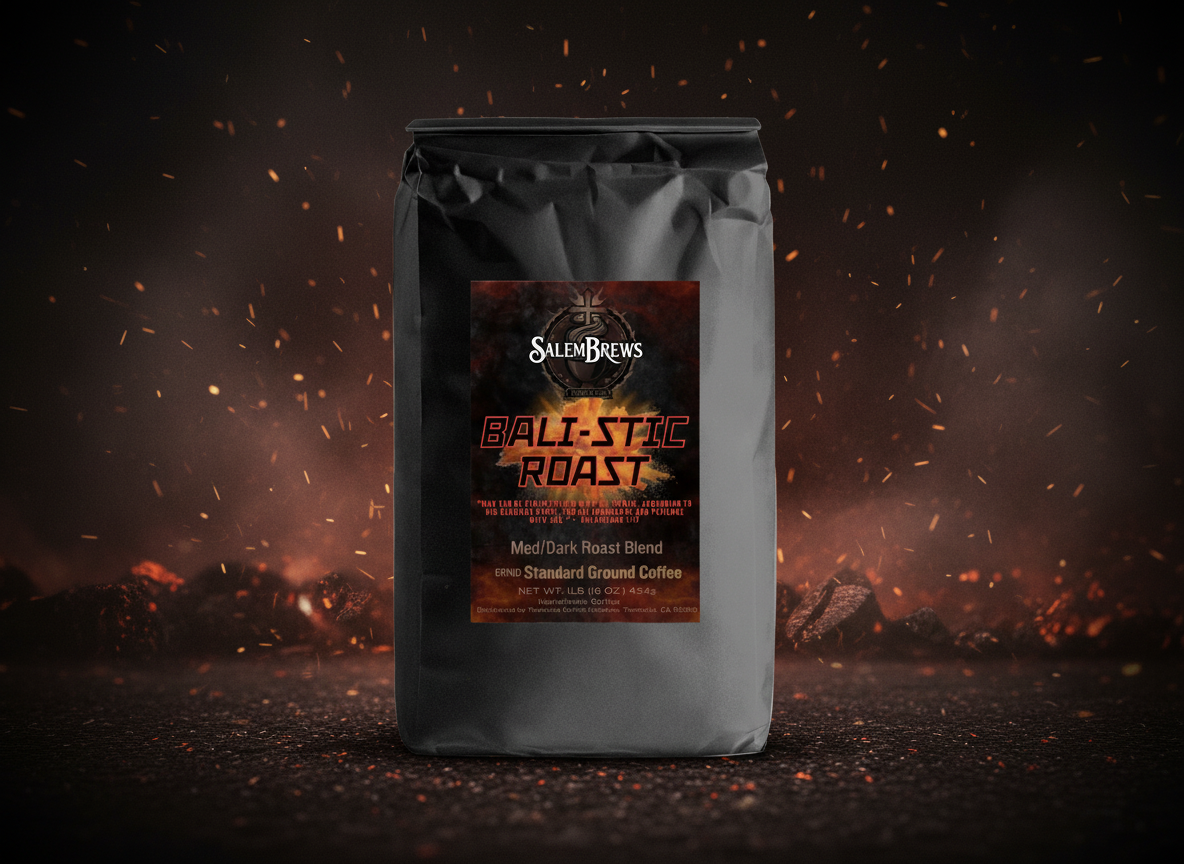
You can begin with the Bali-Stic Roast for a rich profile of dark chocolate, molasses, and brown sugar, or explore the Ethiopia Natural for a medium-light profile with milk chocolate, fruit, and caramel.
Then brew slowly. Notice what you enjoy. Write down what you would seek: or avoid: next time.
That is how your personal coffee map begins: one thoughtful cup at a time.
At SalemBrews, we roast in small batches with care so your coffee can bring a little more peace to the day. Explore SalemBrews and find the origin that fits your pace.