

How Small-Batch Roasting Helps a Coffee’s Origin Speak Clearly
The world moves quickly. Your coffee does not have to.
A carefully brewed cup gives you a reason to slow down and notice what is in front of you: the fragrance rising from the mug, the warmth in your hands, the gentle sweetness resting on your palate. And beneath all of that is a story that began long before the coffee reached your kitchen.
It began in the soil.
At SalemBrews, we believe coffee should offer more than a jolt of energy. It should bring a little peace and steadiness to your day. That is why small-batch roasting matters. It gives each coffee the attention it needs to express its origin clearly: its soil, altitude, variety, processing method, and natural character.
Small-batch roasting is not about making every coffee taste the same. It is about listening closely enough to help each coffee become more fully itself.
Origin Begins in the Soil 🌱
Coffee is an agricultural product. Like grapes, tea, or cacao, it carries the influence of the place where it grows.
Soil provides more than physical support for a coffee plant. Its mineral composition, drainage, moisture, and organic matter all contribute to the conditions in which the coffee cherry develops. Climate adds another layer, shaping how quickly the fruit matures and how sugars and acids develop inside the seed.
That does not mean you are literally tasting a scoop of earth in your cup. Instead, soil and climate help create the chemical foundation behind the flavors you experience: whether those flavors lean toward cocoa, citrus, dried fruit, caramel, spice, or something floral and bright.
Consider the coffees in SalemBrews’ Single Origin collection. Each one offers a distinct sense of place.
Our Tactical Blend includes coffee from Marcala, La Paz, Honduras, where the beans are grown in clay-mineral soil at elevations between 1,300 and 1,700 meters. Its fully washed, sun-dried process supports a profile of caramel, spice, and brown sugar.
Our Bali-Stic Roast comes from Kintamani, Bali, where smallholder farmers grow coffee in volcanic loam between 1,200 and 1,600 meters. That origin story leads toward a deeper cup with dark chocolate, molasses, and brown sugar.
The place matters.
And small-batch roasting helps us honor what the place has already given the bean.

Altitude Creates Time and Density ⛰️
Altitude changes the pace of coffee’s growth.
At higher elevations, cooler temperatures often slow the development of the coffee cherry. That longer growing period can allow more complex sugars and flavor compounds to develop. The beans may also become denser, which influences how they respond to heat during roasting.
Our Ethiopia Natural is grown in Ethiopia’s Sidama Zone at 1,700 to 1,900 meters. It comes from smallholder farmers growing indigenous heirloom cultivars in Nitisol soil. The result is a medium-light roast with milk chocolate, fruity sweetness, and caramel notes.
That coffee does not need to be pushed into a heavy roast to feel complete. Its character is already present. The roaster’s responsibility is to develop it with care without covering its more delicate qualities.
A denser, high-altitude bean may need heat applied thoughtfully and adjusted as the roast progresses. Too much heat too quickly can scorch the outside before the inside develops properly. Too little momentum can leave the coffee flat or underdeveloped.
Small batches make it easier to respond.
Instead of treating every coffee as if it were interchangeable, a roaster can pay attention to how a particular lot absorbs heat and how its aroma, color, and structure change over time.
Processing Shapes the Expression
After coffee cherries are harvested, the fruit must be removed from the seed and the beans must be dried. The method used during this stage is called processing, and it can significantly influence the final cup.
A fully washed coffee is generally depulped, fermented, washed, and dried. This style often emphasizes clarity, acidity, and a more defined expression of the coffee’s origin.
A natural coffee dries with much of the fruit still around the seed. This can contribute additional fruit-forward sweetness, body, and a more layered character.
Other methods, such as honey processing or wet-hulling, create their own balance of sweetness, texture, and clarity.
The process does not replace the origin. It works with it.
In Ethiopia Natural, the full natural process and raised-bed drying complement the coffee’s high-altitude origin with fruity character and rounded sweetness. In Tactical Blend, the fully washed and sun-dried Honduras coffee supports a cleaner structure around caramel, spice, and brown sugar.
The more a roaster understands these differences, the more thoughtfully the coffee can be developed.
Roast Development Turns Potential into Flavor ☕
Green coffee contains potential, but roasting is what makes that potential recognizable.
As beans move through the roast, they pass through several stages. Moisture leaves the bean. The color shifts from green to yellow and then brown. Aromas develop. Sugars and amino acids react, creating the deeper flavors associated with roasted coffee.
Then comes first crack: the audible point when pressure inside the bean causes it to expand and release energy.
The time after first crack is especially important. This period is often called development time, and it has a strong influence on the balance between acidity, sweetness, body, and roast character.
Too little development can leave a cup tasting sharp, thin, or unfinished. Too much can mute the origin beneath smoky, bitter, or overly roasty flavors.
Small-batch roasting gives the roaster greater visibility and control throughout this process. Heat, airflow, timing, and the rate of the roast can be adjusted with the specific coffee in mind.
That attention helps a Honduras coffee remain smooth and warmly spiced. It helps a Bali coffee retain its chocolate depth and molasses sweetness without becoming harsh. It helps an Ethiopian coffee preserve its fruit, caramel, and gentle brightness.
The goal is not always a lighter roast.
The goal is the right roast for that coffee.
A well-developed medium-dark roast can still express origin character. A medium-light roast can still feel balanced and comforting. What matters is whether the roast supports the bean or overwhelms it.

Freshness Protects the Details
Even a beautifully sourced and carefully roasted coffee needs freshness to speak clearly.
Coffee begins changing as soon as it is roasted. It releases carbon dioxide through degassing, and over time, exposure to oxygen gradually affects its aromatic compounds. The notes that once felt vivid can become quieter. Sweetness may fade. The cup may taste flatter or less defined.
Freshness does not mean coffee must be brewed immediately after roasting. Coffee often benefits from a short resting period so excess carbon dioxide can escape. But coffee should still reach you while its aroma, sweetness, and structure are vibrant.
SalemBrews states that every coffee order is roasted the day it ships. That shorter journey from roaster to doorstep helps protect the qualities we worked to develop. When you open the bag, you should notice the fragrance before the first sip. When hot water meets freshly ground coffee, a lively bloom is another reminder that the coffee is still changing and releasing stored gases.
Freshness is not a luxury detail. It is part of the flavor.
How to Taste Origin More Clearly
You do not need advanced training to notice the difference between origins. You only need a few quiet minutes and a willingness to pay attention.
Start by smelling the dry grounds. Do they remind you of cocoa, fruit, toasted grain, spice, or flowers?
Notice the aroma as the coffee brews. Does it become sweeter, brighter, or deeper?
When you taste, let the coffee cool slightly. Many origin characteristics become easier to recognize as the temperature drops. Look for texture as well as flavor. Is the cup silky, crisp, syrupy, or light?
Then ask how the finish feels. Does it disappear quickly, or does caramel, chocolate, fruit, or spice linger?
Try brewing the same coffee using a consistent method for several days. Small changes in grind size, water temperature, or brew time can reveal different sides of the same origin.
Most of all, let the experience be unhurried.
You are not taking a test. You are making space for the coffee to meet you where you are.
A More Attentive Cup
Small-batch roasting helps coffee’s origin speak clearly because it leaves room for attention.
Attention to the soil where the coffee grew. Attention to the altitude that shaped its pace. Attention to the processing method that influenced its sweetness and texture. Attention to roast development, where heat transforms potential into flavor. Attention to freshness, which keeps those details alive long enough to reach your cup.
At SalemBrews, we do not just care about producing a dependable coffee. We care about helping you experience a more peaceful day through the small details: the aroma, the warmth, the origin, and the few minutes that belong only to you.
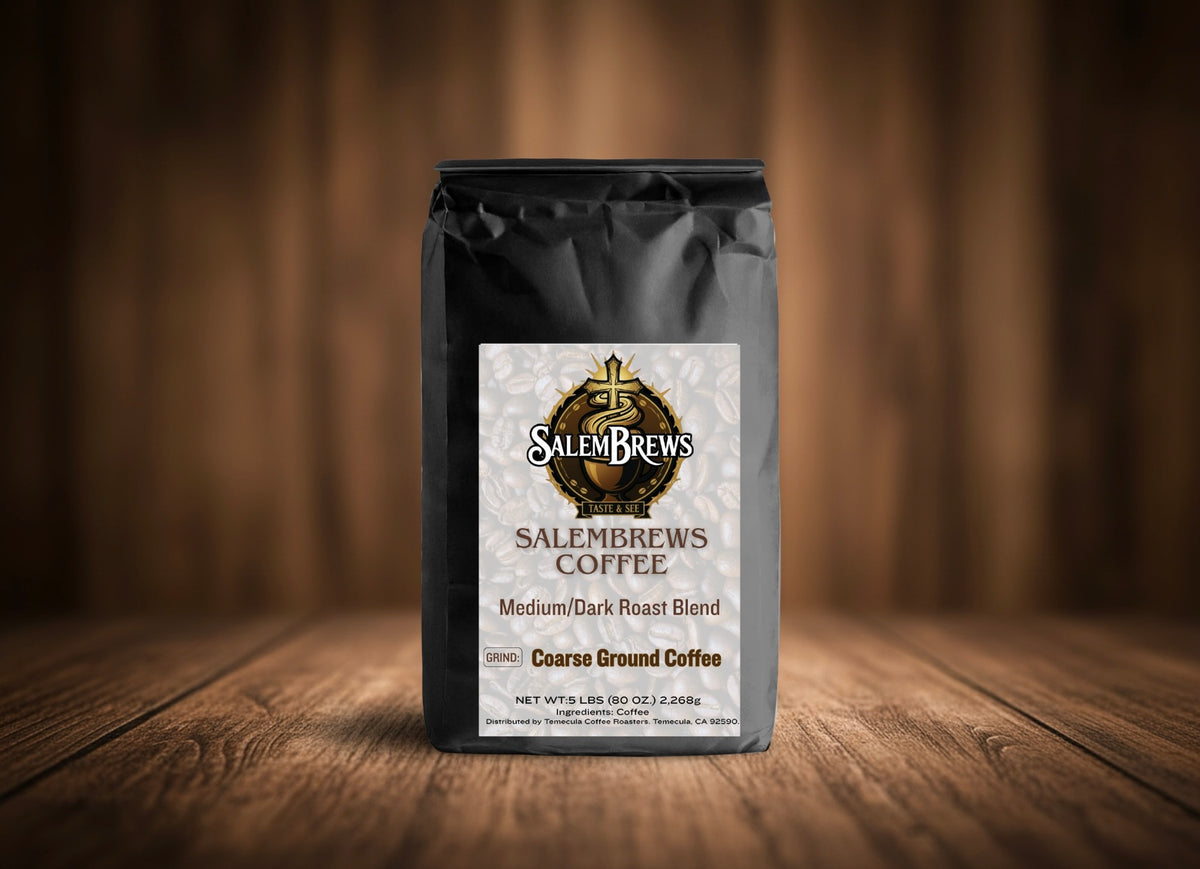
Explore the SalemBrews coffee collection, or begin with a coffee from our Single Origin collection. Find the cup that fits your pace, brew it with care, and let its origin come through clearly.
Your quiet moment can begin with the first pour. ☕