

Origin Notes Aren’t Flavoring: Understanding Tasting Notes in Coffee
The Notes Tell A Story ☕
A coffee can taste like citrus without containing citrus.
It can suggest caramel without a drop of caramel flavoring. It can remind you of berries, chocolate, flowers, spice, or brown sugar: even when the only ingredient is coffee.
That distinction matters.
When you see tasting notes on a SalemBrews coffee page, those words describe the qualities you may perceive in the cup. They are not a list of added ingredients. They are a sensory map shaped by the coffee’s origin, soil, variety, processing method, roast, and the way you brew it.
The world moves fast. Your coffee does not have to.
Understanding tasting notes gives you a calmer, more confident way to choose your next bag. Instead of wondering whether “fruit” means flavored coffee, you can begin to understand what the bean is naturally expressing.
Tasting Notes Are Descriptions
A tasting note is a comparison.
When a roaster writes “citrus,” they are not saying orange peel was added to the coffee. They are describing an aroma, acidity, sweetness, or combination of sensations that reminds the taster of citrus.
The same is true for notes like:
- Caramel: rounded sweetness, gentle warmth, and a smooth finish
- Chocolate: deep sweetness, richness, and a comforting roasted character
- Fruit: bright acidity, fragrant aromatics, and a lively impression
- Spice: warming, aromatic qualities that may feel soft, dry, or gently bold
- Floral: delicate, fragrant notes that can feel light and tea-like
Coffee contains hundreds of natural aromatic compounds. Roasting transforms those compounds, and your senses interpret them through familiar references. Tasting notes give that experience language.
They help you imagine the cup before you brew it.
They also help us communicate. “This coffee tastes good” may be true, but “dark chocolate, molasses, and brown sugar” gives you a clearer sense of what kind of good to expect.
What Tasting Notes Aren’t
Tasting notes are not ingredients.
A coffee labeled “chocolate” is not automatically chocolate-flavored coffee. A coffee described as “berry-forward” was not necessarily infused with berry syrup or fruit oils. In specialty coffee, these descriptors usually refer to naturally occurring qualities that become noticeable through cultivation, processing, roasting, and brewing.
Flavored coffee is different. It is intentionally infused with flavoring, often after roasting. That may be exactly what someone is looking for, and there is a place for every preference. But origin notes and added flavoring are not the same thing.
At SalemBrews, our tasting profiles are there to help you understand the coffee itself: the character already present in the bean and brought forward through careful, small-batch roasting.
The note is an invitation, not an ingredient list.
Origin Sets The Direction 🌎
Every coffee begins in a specific place.
Country, region, farm, altitude, climate, and soil all influence how the coffee plant grows and how the cherry develops. This collection of environmental factors is often called terroir.
A coffee grown in the highlands of Ethiopia may express itself differently from one grown in Bali or Honduras. That does not mean every coffee from one country tastes identical. It means place gives the coffee a particular starting point.
For example, Ethiopia Natural comes from the Sidama Zone of Ethiopia, where it is grown at 1,700–1,900 meters. Its profile includes milk chocolate, fruity, and caramel notes. The combination creates a cup that can feel sweet, expressive, and gently bright while still offering comfort and depth.
The notes are not added to the bean. They are the way its natural character may show up in your cup.
Soil Shapes The Character
Soil is one part of the origin story.
Coffee plants draw nutrients from the ground, and soil structure can influence water retention, drainage, and plant health. Soil does not work alone, but it contributes to the conditions that help shape a coffee’s potential.
Our Bali-Stic Roast is grown in Kintamani, Bali, in volcanic loam. The coffee is a medium-dark roast with notes of dark chocolate, molasses, and brown sugar.
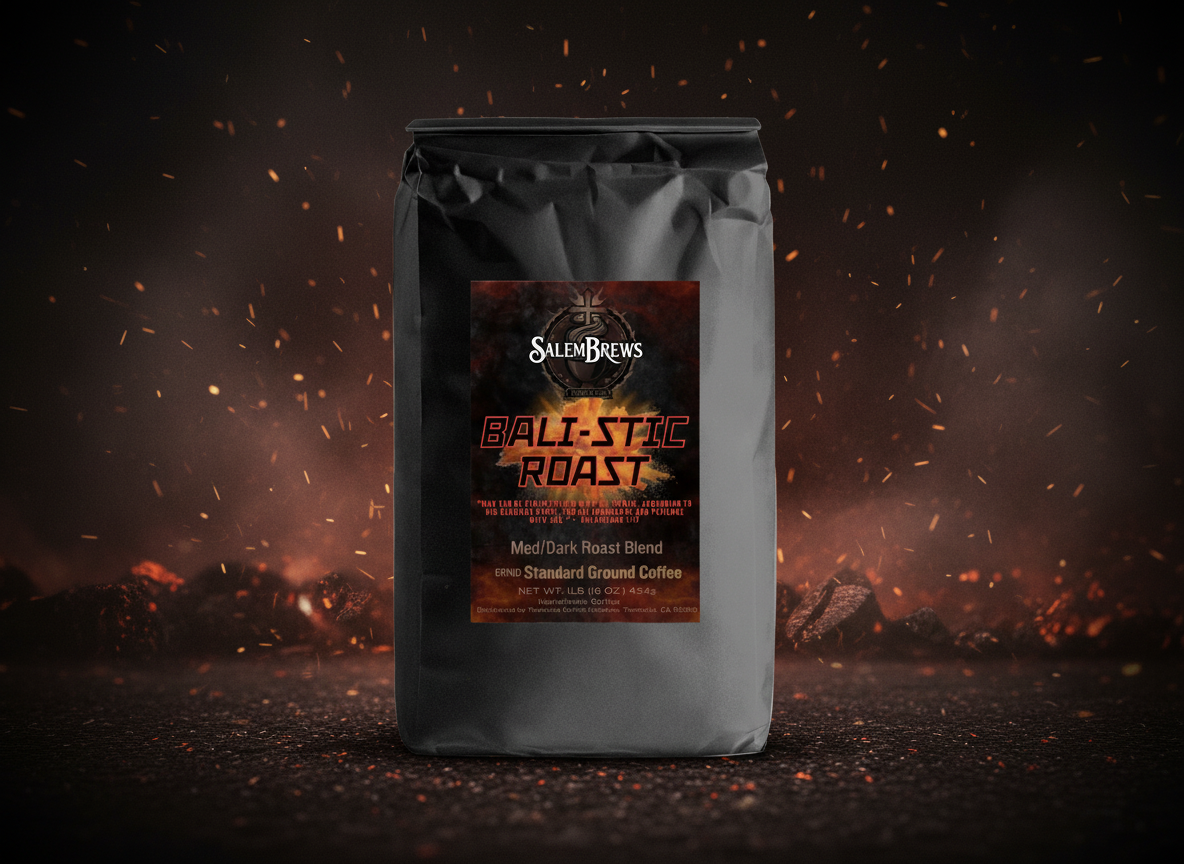
Those notes create an impression of depth and steady sweetness. The volcanic soil is part of the story, but so are the altitude, climate, plant varieties, processing method, and roast. Flavor is never the work of one factor alone.
Think of origin and soil as the landscape where the coffee grows. The tasting notes are the impressions you carry away from that landscape.
Variety Gives The Bean Potential
Coffee plants have varieties, much like apples have different cultivars.
The variety influences a bean’s potential for sweetness, acidity, body, and aroma. Some varieties can express floral or delicate qualities, while others may offer a heavier body or more familiar chocolate and nut-like character.
The final cup depends on more than genetics. Growing conditions and processing determine how that potential develops, while roasting determines how it is expressed.
Our Ethiopia Natural uses indigenous heirloom cultivars. Our Bali-Stic Roast includes Bourbon, Typica, and Catimor varieties. These details may sound technical, but they help explain why coffees from different places can taste so distinct: even before they reach the roaster.
You do not need to memorize every variety.
Simply knowing that coffee has this kind of diversity can make each cup feel more connected to the people, plants, and places behind it.
Processing Brings Out Different Notes
After coffee cherries are picked, the fruit surrounding the seed must be removed or dried through a chosen process. That decision can have a noticeable effect on sweetness, fruitiness, body, and clarity.
Washed Coffee
In a washed process, the fruit is removed before the beans are dried. This often creates a cleaner, clearer cup where acidity and origin character are easier to notice.
SalemBrews Tactical Blend is fully washed and sun dried. It comes from Marcala, La Paz, Honduras, and carries notes of caramel, spice, and brown sugar.

The result is a smooth, steady profile with warmth and structure: an easy choice when you want your morning cup to feel grounded.
Natural Coffee
In a natural process, the coffee cherry dries around the seed. This can encourage a fruitier, sweeter, and fuller impression.
Ethiopia Natural is processed this way, with the cherries dried on raised beds after being sorted by hand. Its fruity and caramel notes sit alongside milk chocolate, giving the coffee both brightness and comfort.
Other Processes
Honey, pulped-natural, wet-hulled, and experimental processes each influence how the bean develops. Some emphasize sweetness and body. Others highlight fruit, wine-like qualities, spice, or a clean finish.
Processing does not flavor the coffee in the same way a syrup does. Instead, it changes the environment around the seed and influences the compounds that become noticeable after roasting.
Roast Decides What You Notice
Roasting is where green coffee becomes the fragrant, familiar bean you brew at home.
Heat transforms the coffee. It develops aromas associated with caramel, chocolate, nuts, toast, and spice while also changing how much of the origin’s brightness remains in the cup.
- Light roasts often highlight floral, fruit, citrus, and tea-like qualities.
- Medium roasts can balance acidity and sweetness, often bringing out caramel, nuts, and milk chocolate.
- Dark roasts tend to emphasize deeper roasted flavors such as dark chocolate, molasses, toast, and spice.
Roast level does not erase the coffee’s origin, but it changes the volume. A lighter roast may let the landscape speak clearly. A darker roast may wrap that landscape in a deeper, warmer tone.
This is why two coffees with similar origin notes can still taste completely different.
Your Brewing Method Matters, Too
Tasting notes are a guide, not a guarantee.
Your grind size, water, brew method, temperature, and extraction time all influence what reaches your palate. A coffee that tastes bright and fruity as a pour-over may feel rounder and more chocolate-forward in a French press. Espresso may concentrate body and sweetness while softening some of the coffee’s brighter qualities.
That is part of the beauty.
You are not failing if you do not immediately taste lemon, caramel, or berry. Your palate may notice something different. One person may experience a coffee as chocolatey, while another finds toasted sugar or dried fruit.
There is no test to pass.
Let the notes give you a starting point, then pay attention to what your own cup is saying.
How To Read A SalemBrews Coffee Page
When you browse the SalemBrews coffee collection, look at the full picture:
- Read the tasting profile. This gives you a sensory direction.
- Check the origin and region. Place helps frame the coffee’s character.
- Look at the process. Washed coffees may feel cleaner; natural coffees may feel fruitier and fuller.
- Notice the roast level. This helps you anticipate brightness, sweetness, body, and roast depth.
- Choose the feeling you want. Bright and lively? Smooth and comforting? Bold and steady?
If you prefer fruit, citrus, and floral qualities, explore coffees with lighter or medium-light roasts and expressive natural processing.
If you want caramel, chocolate, molasses, or brown sugar, look toward balanced medium and medium-dark coffees.
There is room for both.
Find The Cup That Fits Your Day
Tasting notes are not promises of added flavor. They are a way of honoring what is already there.
They connect your morning coffee to its origin, soil, variety, process, and roast. They make the invisible journey more visible, giving you a deeper appreciation for every careful step between seed and cup.
At SalemBrews, we believe coffee can offer more than momentum. It can bring steadiness to a busy morning, warmth to a quiet afternoon, or a few grounded minutes when the day feels too loud.
Explore our single-origin coffees, follow the notes that draw you in, and brew with curiosity.
You may not taste exactly what someone else tasted.
You may discover something better: your own way into the cup.
Find your next moment of peace at salembrews.com.